


No-code: Definition, Tools and Use Cases
In an increasingly connected and technology-driven world, the creation of websites and applications has become a necessity for many businesses and individuals. However, not everyone has the programming skills to design and develop these digital solutions. This is where no-code movement comes into play.
No-code, literally "codeless" in English, is a revolutionary approach that allows anyone to create applications and software solutions without writing a single line of code. This approach is based on tools and platforms specifically designed to simplify and automate the development process, eliminating the need to master complex programming languages such as HTML, CSS, JavaScript, or Python.
The main objective of no-code is to make application development more accessible to all, whether it is entrepreneurs, small businesses or individuals. By removing the barrier of technical expertise, no-code allows everyone to realize their ideas, create websites, mobile applications, e-commerce platforms, customer relationship management (CRM) systems, billing management solutions and much more.
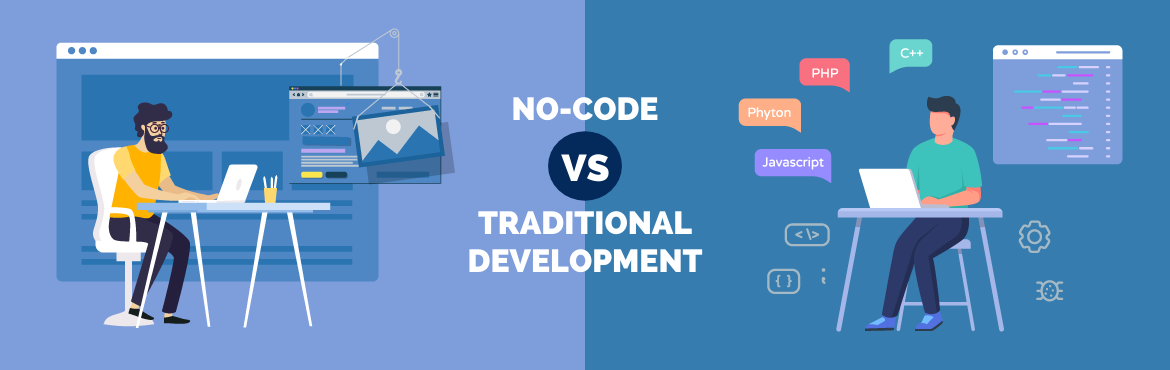
No-code is based on fundamental principles such as simplicity, accessibility and speed of development. Through user-friendly visual interfaces, intuitive drag-and-drop and pre-built component libraries, no-code tools allow anyone, even without advanced technical skills, to create functional and aesthetic applications with just a few clicks.
In the following sections, we will explore in detail the benefits of no-code, the popular tools available and the concrete examples of successes achieved through this innovative approach. Whether you’re an entrepreneur looking to launch a startup, an IT manager looking to automate processes, or an individual passionate about app creation, no-code can open up exciting new possibilities and allow you to turn your ideas into reality without the constraints of traditional code.
What is no-code?
Definition of no-code
No-code, also known as "codeless" or "no-code" in English, is a revolutionary movement in the field of application development and software solutions. It represents an innovative approach that allows people without programming skills to create functional applications without having to write a single line of code.
The fundamental concept of no-code is to democratize the development process, eliminating the need to learn complex programming languages such as HTML, CSS, JavaScript or Python. Instead, no-code offers user-friendly tools and platforms that enable users to design and build applications using intuitive visual interfaces, drag-and-drop features, and customization options.
The main objective of no-code is to make application development more accessible to a wide range of people, including entrepreneurs, small businesses and non-technical users. Through no-code, agencies like Turnk can bring your ideas to life and create applications for specific needs, without having to hire developers or invest in deep, time-consuming, costly technical skills for customers.
Fundamental principles of no-code
Simplicity: no-code emphasizes simplicity and friendliness. No-code tools are designed to be intuitive, with visual interfaces that allow users to create applications using drag-and-drop features and simple configurations. This facilitates exchanges between agencies and their clients in the realization of their projects.
Accessibility: One of the main advantages of no-code is its accessibility. It allows people without programming skills to develop applications without having to learn new languages or master complex technical concepts. The client is in control of his project. Turnk audits, develops and trains its customers to use its own tools. It is no longer necessary to call on developers with each technical change or question.
Speed of development: no-code offers features that speed up the development process. By using pre-built component libraries and predefined templates, users can create functional applications in record time. And as a reduction in equal time reduction in costs, it is advantageous for the agency and the client.
Customization: Although no-code relies on predefined templates and components, it also offers customization options to meet the specific needs of each user. Users can adjust the functionality, design and flow of their app according to their preferences.
No-code offers many opportunities to create a variety of applications, from simple websites to complex mobile applications, project management solutions, human resource management tools, and more. Users can explore different options and find no-code tool that best suits their specific needs. Feel free to check out all our uses cases here.
The benefits of no-code
No-code has many benefits for individuals, entrepreneurs and businesses who want to develop applications and software solutions. Here are the main advantages of no-code:
Accessibility
One of the main advantages of no-code is its accessibility. With user-friendly visual interfaces and drag-and-drop features, no-code allows people without programming skills to create functional applications. This paves the way for a new generation of entrepreneurs and creators, who can bring their ideas to life without having to learn complex programming languages.
For example, a restaurant owner wanting to create a website for their restaurant can use no-code tools such as Webflow or Shopify to design and put their site online in a matter of hours, without having to incur costs related to long development.
Speed of development
No-code allows for rapid application development. Using predefined templates, reusable components, and drag-and-drop features, users can create functional applications in record time. This significantly reduces development time and accelerates the deployment of new solutions.
For example, we worked with the company Score Avocats, which wanted to migrate from Wordpress to Webflow. We designed a custom-made showcase site (consult the full use case) combined with an integration of a multi-response form via Webflow.
Flexibility and fast iterations
No-code offers rapid flexibility and iterations, making it easy to continuously adapt and improve applications. Users can make changes and adjustments in real time, without having to rewrite code or hire developers. This allows you to quickly test new ideas, optimize existing features, and adapt to changing user needs.
For example, a company using a Project Management no-code tool can adjust workflows, dashboards, and processes based on changing team needs, without having to hire a team of developers to make these changes.
Reduced costs
No-code has a significant economic advantage by reducing development costs. By eliminating the need to engage developers or invest in advanced technical skills, no-code saves individuals and businesses time and money. In addition, no-code tools often offer flexible pricing models, with affordable subscription options tailored to a variety of budgets.
For example, a small company that wants to set up a customer relationship management system (CRM) can opt for a no-code tool like Airtable or Notion, which allows it to save on the costs of developing and maintaining a custom CRM.
In summary, no-code offers significant benefits, including accessibility, speed of development, flexibility and potential cost savings. These benefits make no-code appealing to a wide range of users, with entrepreneurs looking to turn their ideas into businesses looking to optimize their processes and software solutions. In the next part of this article, we will look at some of the popular no-code tools available in different areas, such as website creation, ticket management, CRM, ERP, Apps Builder and HRIS.
Popular no-code Tools
No-code movement has given rise to many tools and platforms that facilitate the creation of applications without requiring programming skills. Here is a selection of popular no-code tools according to our different services. At Turnk, our experts work with these tools on a daily basis and are certified as an expert.
Web: Creation of showcase and e-commerce sites
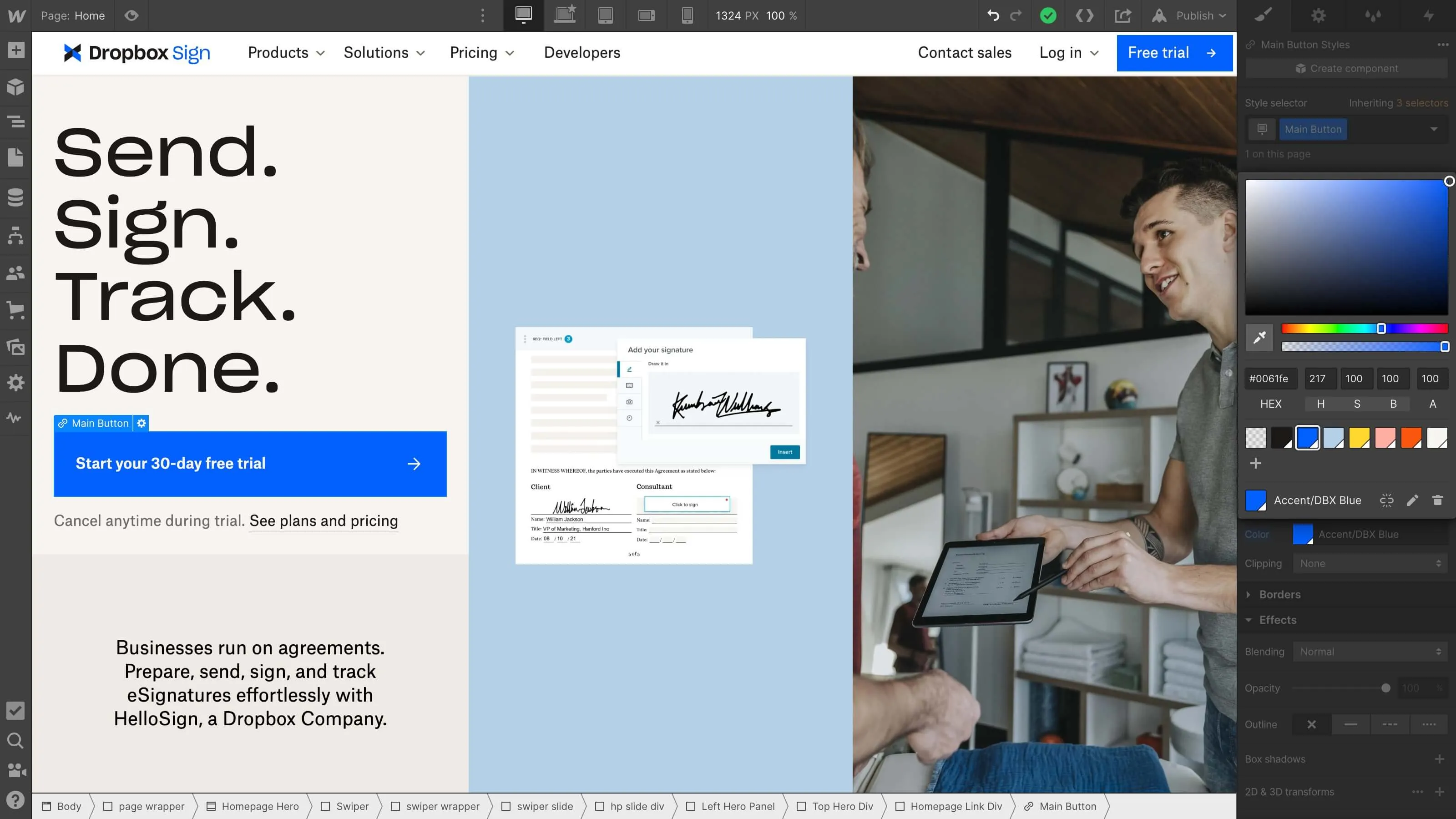
Webflow: Webflow is a no-code web design platform that allows you to create responsive and aesthetically attractive websites. With its powerful visual editor, Webflow offers total flexibility to customize the design and functionality of websites.
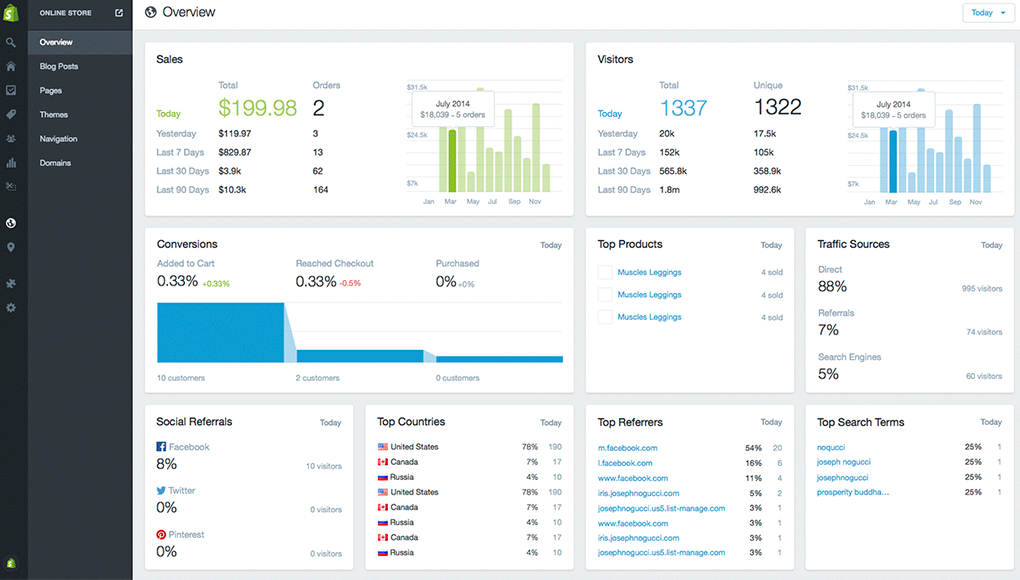
Shopify: Shopify is a popular no-code platform for creating online stores. With Shopify, users can easily design and customize their online store, manage products, orders, payments, and shipping, without having to write code.
Ticketing: Improve your customer service solutions
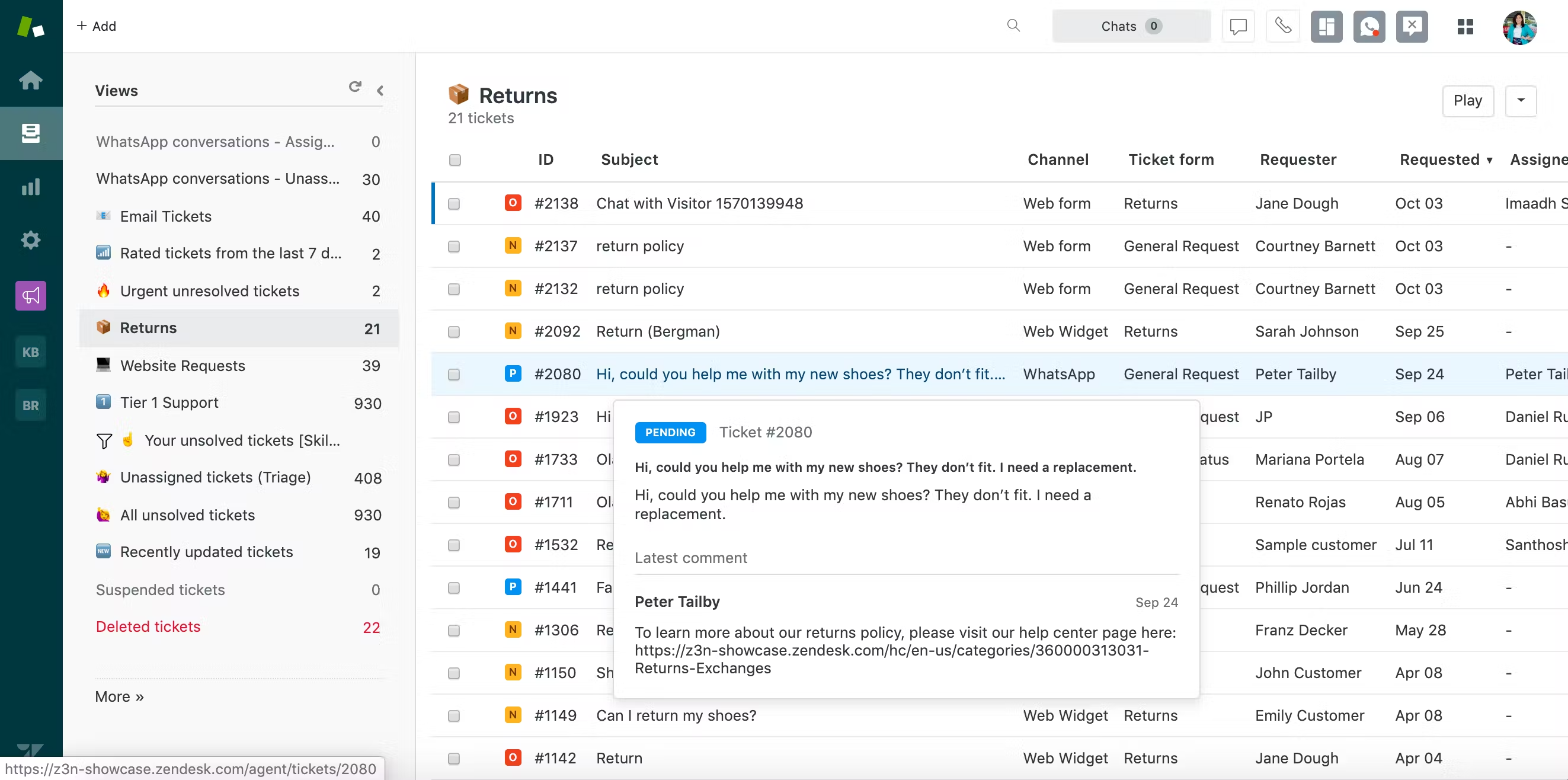
Zendesk: Zendesk is a no-code ticket management platform that makes it easy to manage customer requests and provide effective customer support. Zendesk offers features such as ticket tracking, priority management and real-time communication with customers.
Freshdesk: Freshdesk is another no-code ticket management platform that offers a complete solution for customer support request management. Freshdesk includes features such as ticketing, automated routing, problem tracking, and detailed reports.

CRM: Improve the management of your customer relationship
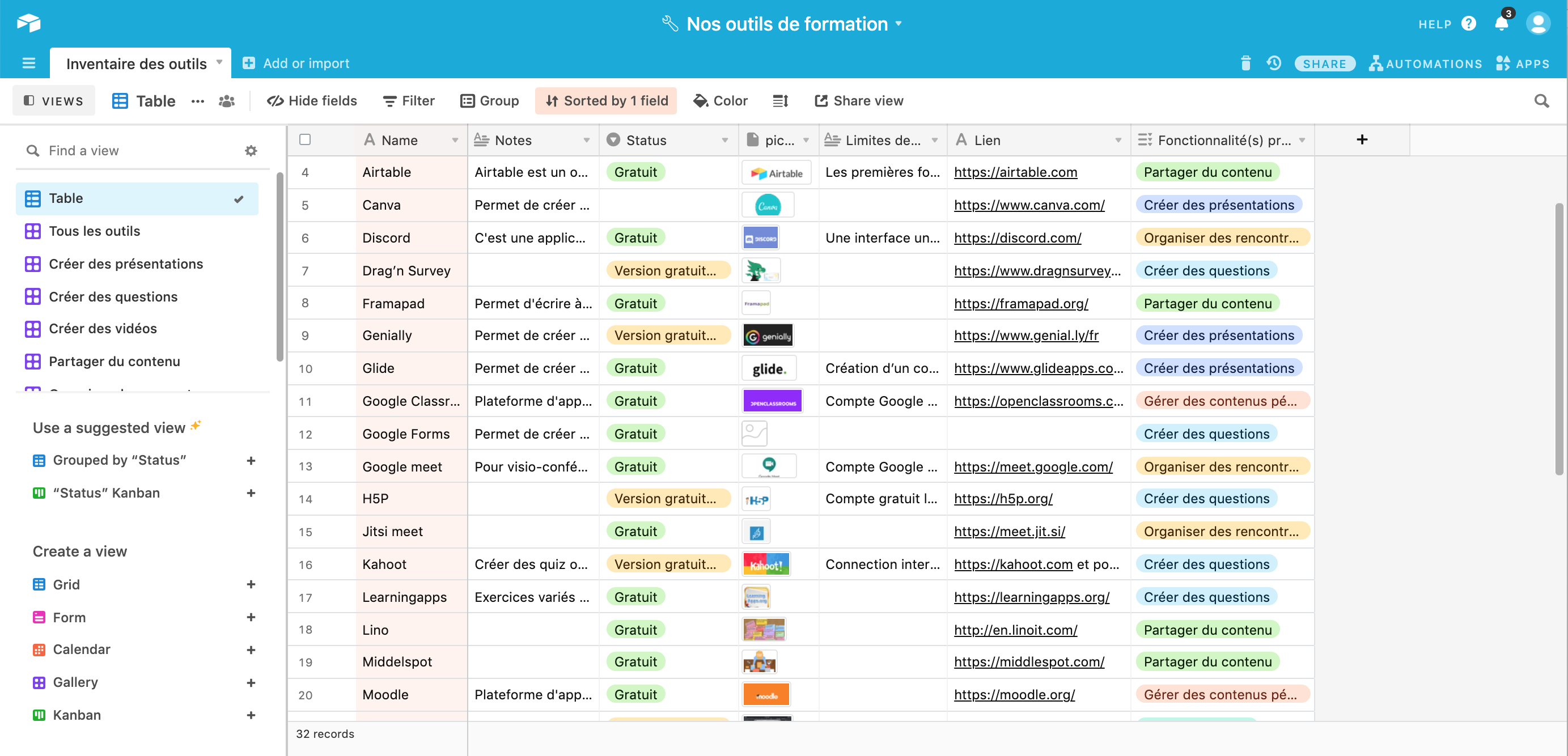
Airtable: Airtable is a no-code customer relationship management platform that allows you to create custom databases to track customer interactions, sales and leads. Airtable offers collaboration, filtering and data visualization features.
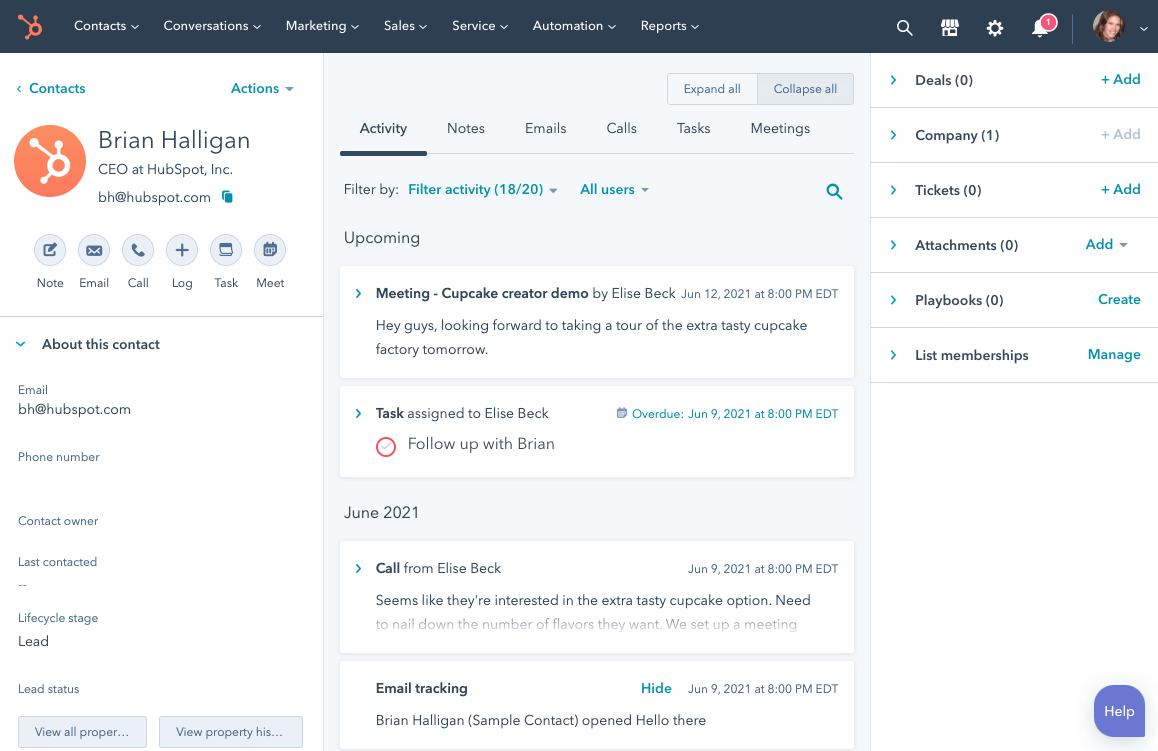
HubSpot: HubSpot is an all-in-one CRM and marketing no-code platform that offers comprehensive features for managing customer relationships. HubSpot allows you to track contacts, manage sales, create marketing campaigns, automate tasks, and generate detailed performance reports.
ERP: Implementation of a financial management system
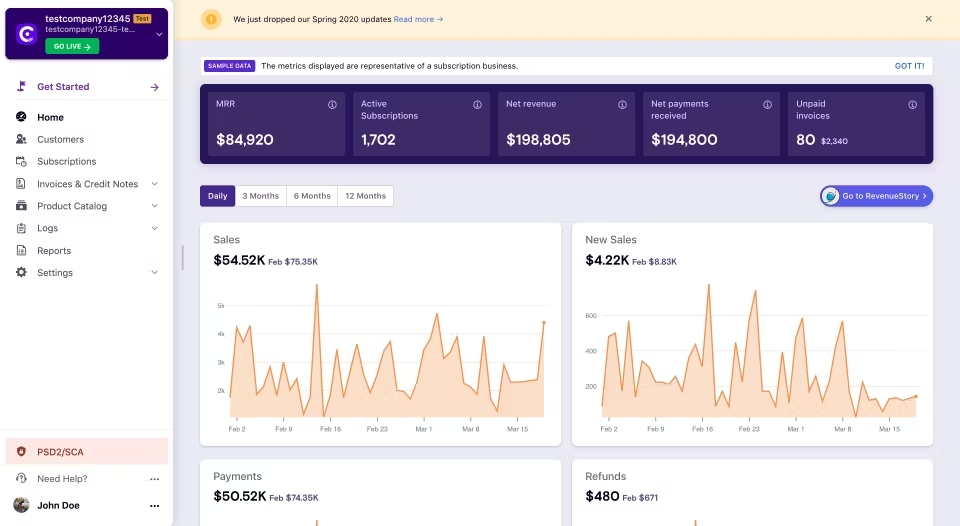
Chargebee: Chargebee is a no-code platform for subscription management and billing. It allows businesses to easily manage subscriptions, pricing plans, recurring payments and invoices. Chargebee offers advanced features such as tax management, payment gateway integrations, and revenue analytics.
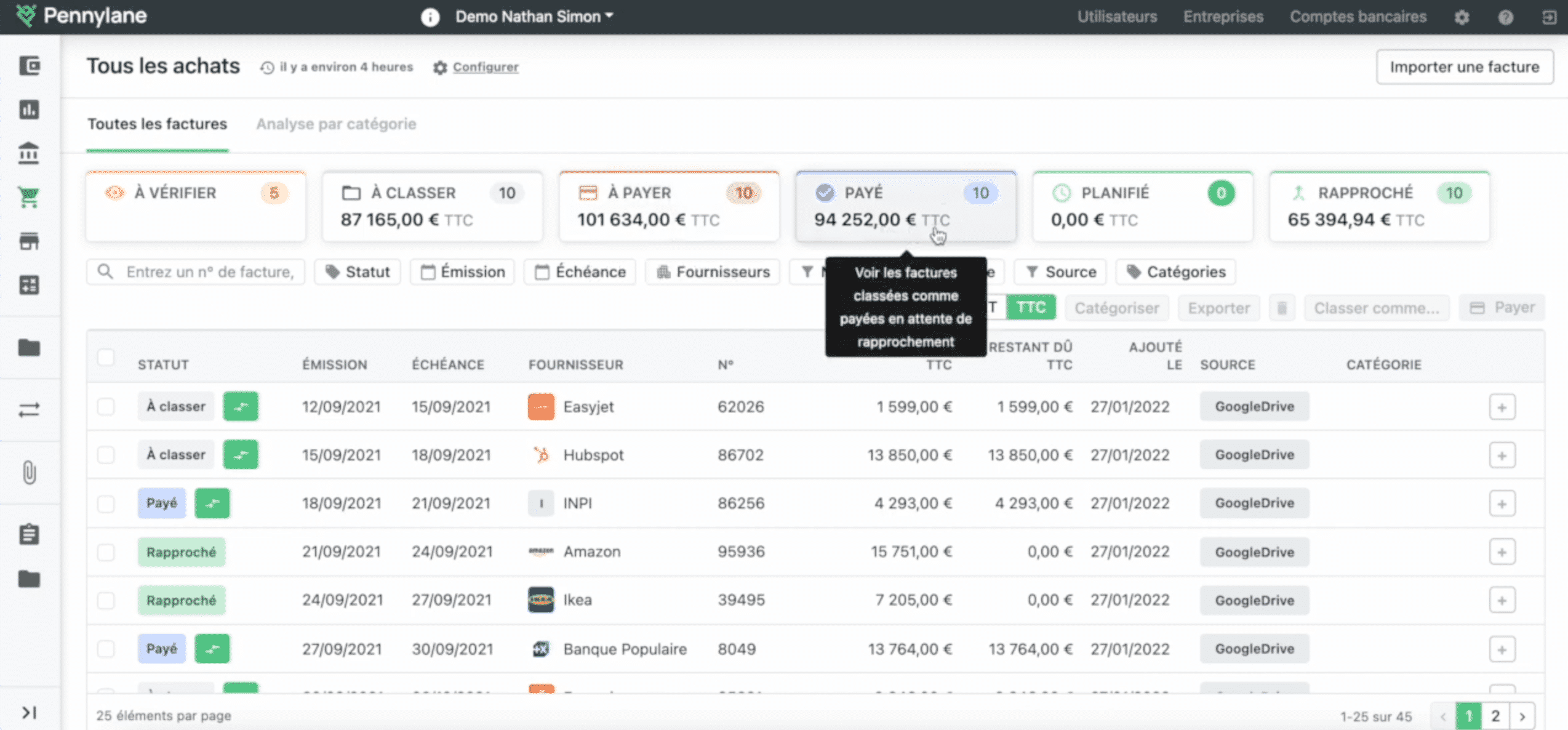
Pennylane: Pennylane is a no-code platform for financial management for small and medium-sized businesses. It allows you to track and manage finances, expenses, invoices, bank accounts and accounting with ease. Pennylane also offers financial reporting and integration capabilities with other management tools.
App Builder: Creating custom business tools
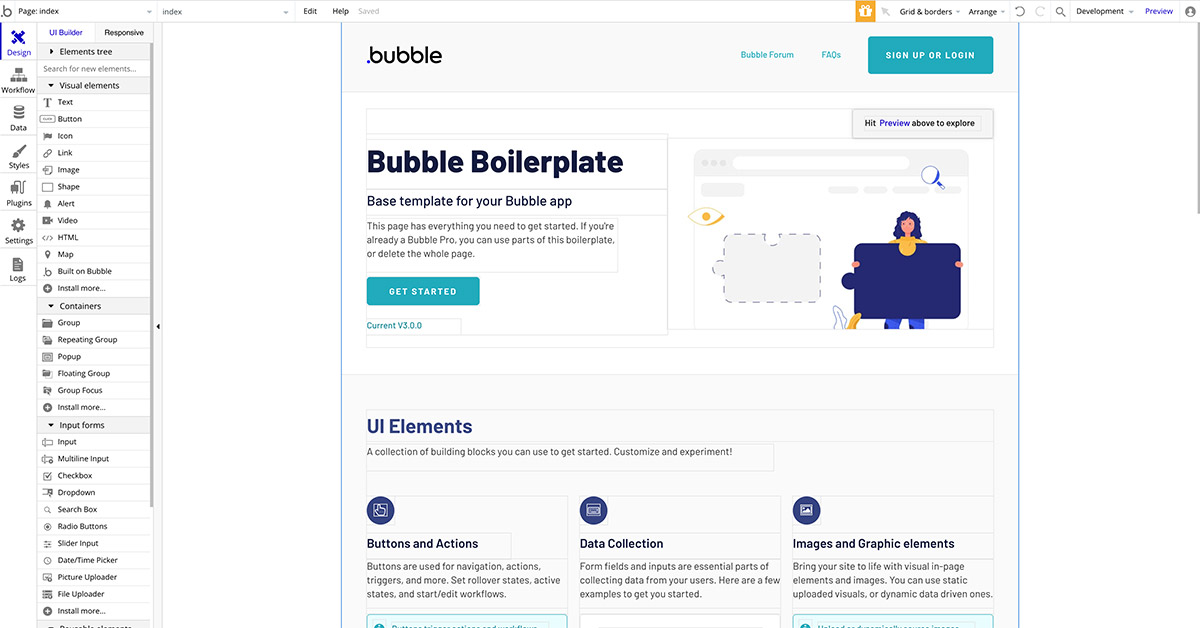
Bubble: Bubble is a no-code platform that allows you to build powerful web applications without writing code. Bubble offers an intuitive visual interface and advanced features to create complex applications without programming skills.
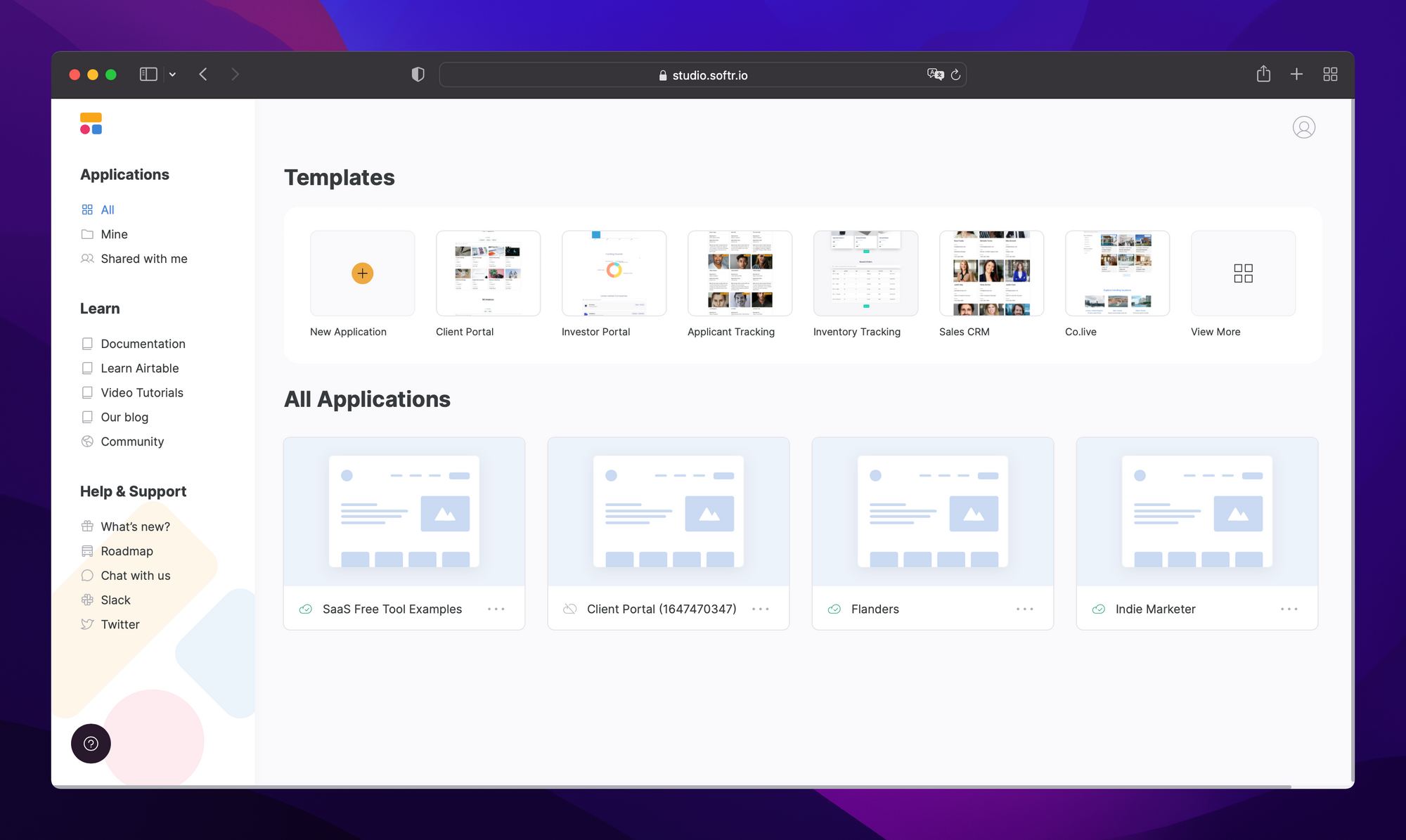
Softr: Softr is a versatile no-code platform for creating web and mobile applications. Softr offers a user-friendly interface and allows users to create custom applications without programming skills. It offers design, database management, process automation and integration features with other tools.
HRIS: Integration of all your HRIS tools
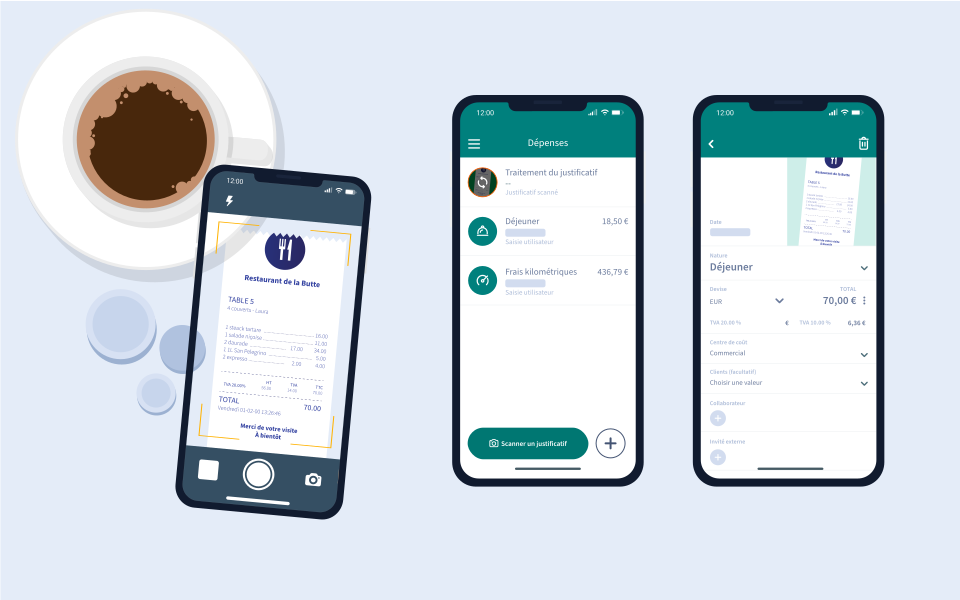
Lucca: Lucca is a human resources management (HRIS) platform that offers a full range of tools to simplify personnel management. Lucca offers features such as holiday and absence management, expense management, time-of-work tracking and talent management. With Lucca, companies can automate HR processes, track employee data, and facilitate communication between teams.
These no-code tools represent only a fraction of the opportunities available in the market. Each tool has its own features, features and rates, so it’s important to explore different options and choose the one that best suits your specific needs. We invite you to consult the complete list of tools available in our toolbox.
In the next part of this article, we will highlight concrete examples of successes achieved through the use of no-code in different fields of activity.
Case Study: Stories of Slides - Agency for Creating PowerPoint Presentations
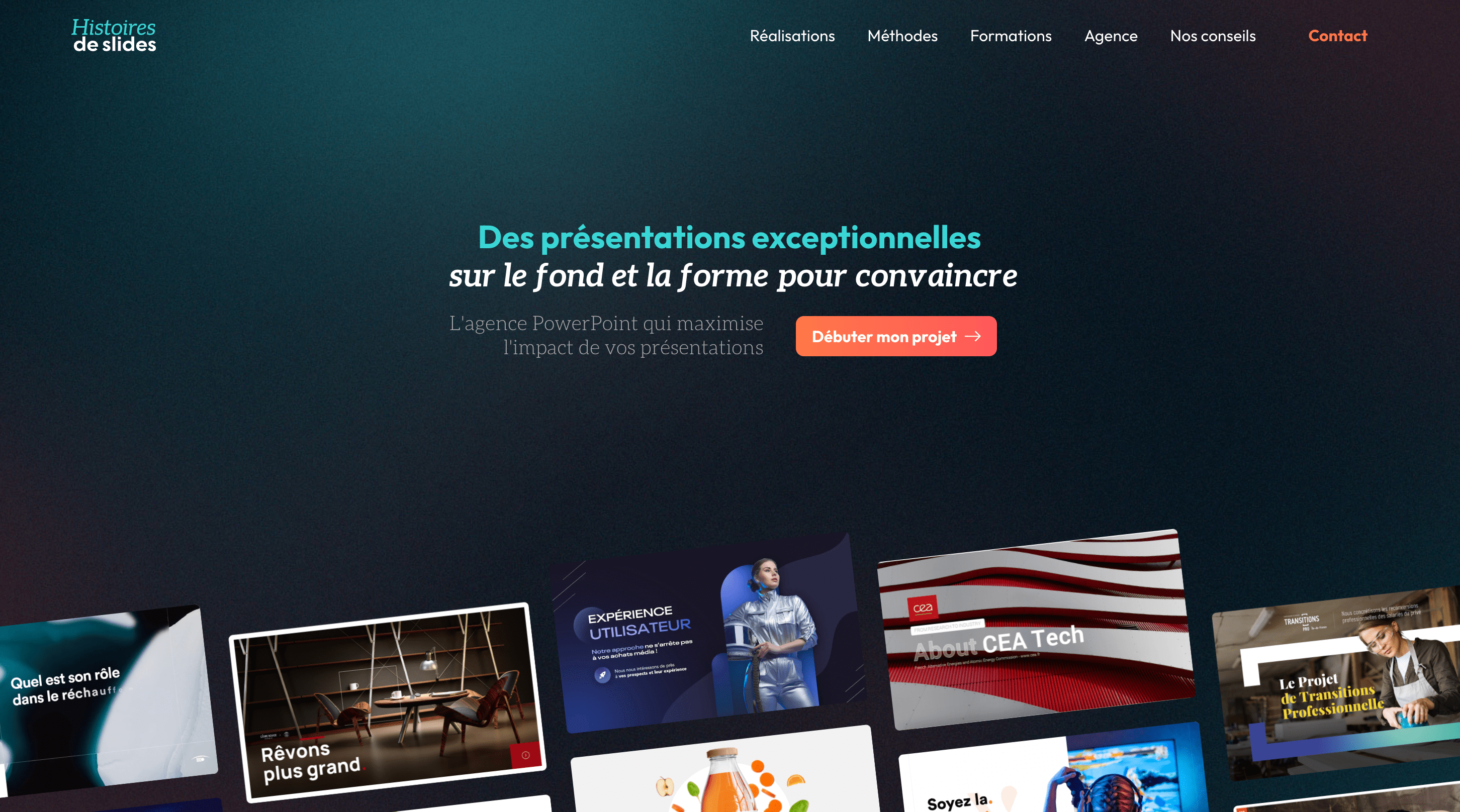
Stories of Slides is an agency specializing in the creation of exceptional PowerPoint presentations, intended for a variety of clients such as companies, institutions and speakers. Their goal is to provide visually appealing and impactful presentations to capture audience attention, convey clear ideas and leave a lasting impression.
Problematic: When they contacted our team, Stories of Slides faced several challenges. They needed a solution to effectively manage their customer relationships, track business opportunities, simplify their sales process and improve their overall efficiency. In addition, they sought to optimize their financial management, including by automating expense management, billing and revenue tracking.
Solution: Working closely with the team of Stories of Slides, we evaluated their specific needs and recommended a solution based on two no-code tools: Pipedrive for sales management and Pennylane for accounting.
Sales Management with Pipedrive: We configured Pipedrive according to Slides Stories needs, customizing sales pipelines, process steps, data fields, and activities. Thanks to Pipedrive, they were able to track business opportunities, manage customer contacts, plan tasks, and automate certain actions. This allowed them to optimize their sales process, keep track of their business, and make informed decisions to grow their business.
Financial management with Pennylane: To meet their accounting needs, we have integrated Pennylane, a no-code accounting tool. We configured Pennylane based on the specifics of Slides Stories, automating expense management, billing and revenue tracking. Thanks to Pennylane, they were able to manage their finances more efficiently, generate accurate financial reporting and track their financial performance.
Results and benefits
The implementation of this no-code solution has brought several significant advantages to Stories of Slides:
Improved internal processes: The implementation of Pipedrive and Pennylane has allowed Stories of Slides to significantly improve their internal processes. They were able to track business opportunities in a more structured way, automate repetitive tasks, simplify customer management, and optimize their overall workflow.
Efficiency gain: Thanks to the automation of administrative tasks and the centralization of customer and financial information, Stories of Slides has become more efficient. They were able to devote more time to creating quality presentations and interacting with their clients.
Financial Management Optimization: Pennylane’s integration has allowed them to simplify expense management, speed up the billing process and track revenue accurately. This gave them better visibility into their finances and enabled them to make more informed decisions for their growth.
Customization and adapted training: We made sure to customize the configuration of the tools according to the specific needs of Stories of Slides and to provide training adapted to their team. This made it easier to adopt the solution and allowed them to make the most of the features offered.
We are proud to have been able to support Stories of Slides in their digital transformation by providing them with a solid and customized technological solution. Through the integration of Pipedrive and Pennylane, they were able to optimize their sales management and financial operations, which contributed to their growth and continued success.
If you are facing similar challenges in running your agency or company, please feel free to contact us. Our team of experts will be happy to help you find solutions tailored to your specific needs.
the most common questions
No-code refers to the tools and platforms that allow you to create sites, applications and automations without writing code, through visual interfaces. It makes digital creation accessible to everyone.
No-code is based on visual editors (swipe-drop), blocks, and preconceived logics that replace the code. We assemble elements to build a functional tool.
No-code requires no line of code, while low-code allows you to add a little code to go further. Both aim to accelerate the creation of digital tools.
To all: entrepreneurs, SMEs, large companies, business teams... No-code is suitable for anyone who wants to create a site, an application or automate tasks without technical skills.