



The essential features of a CRM for B2B sales management
A CRM (Customer Relationship Management) plays a crucial role in managing B2B sales.
In this article, we will explore the essential features of a CRM specifically designed for B2B sales. Learn how effective CRM can help your team track leads, manage complex sales cycles, and maximize sales opportunities.
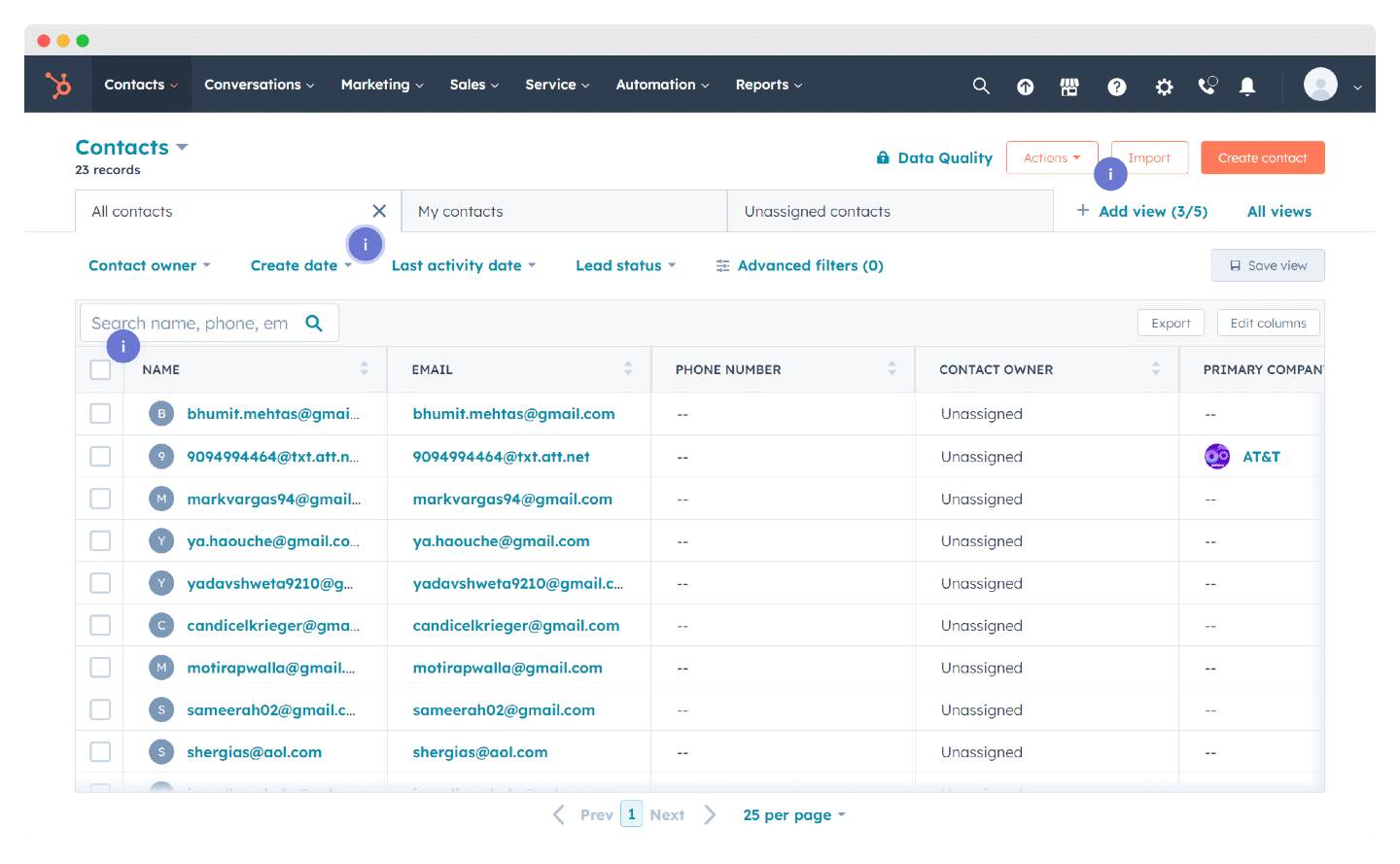
B2B sales management requires a specific approach to meet the unique needs of this type of business. A CRM well designed for B2B sales can offer a wealth of features to help sales teams achieve their goals. Here are the essential features to look for in a CRM for B2B sales management:
- Lead Management: Lead management is at the heart of B2B sales. An effective CRM must offer advanced lead tracking, qualification and contact management features. It should capture and organize key insights about leads, track interactions, manage tracking activities, and measure engagement to maximize conversion opportunities.
- Complex sales cycle management: B2B sales often involve long and complex sales cycles. A good CRM must offer features to manage these sales cycles, including tracking milestones, interactions, and key decisions. It should manage relationships with multiple stakeholders, coordinate the sales team’s efforts, and track sales progress at each stage.
- Advanced analysis and reporting: To make informed decisions, it is essential to have access to in-depth analysis and relevant reporting. A CRM for B2B sales must offer advanced analytics capabilities, such as customizable dashboards, sales performance reports, predictive analytics, and graphical visualizations. This allows sales managers to identify trends, evaluate performance, and take action to improve results.
- Account and contact management: In B2B sales, it is crucial to effectively manage accounts and contacts. A powerful CRM must allow you to aggregate information related to customer accounts, track relationships with key contacts, record past interactions, and manage tracking activities. Centralized account and contact management facilitates collaboration within the team and fosters a holistic approach to customer relationships.
- Integration with other tools and systems: A CRM for B2B sales must be able to easily integrate with other tools and systems used by the sales team. This can include integration with marketing automation tools, email platforms, document management solutions, ERP systems, etc. Transparent integration allows for centralizing data, automating processes, and driving team productivity.
- Mobility and remote access: In a modern business environment, mobility is essential. A CRM for B2B sales must offer a user-friendly mobile app that allows sales representatives to access customer information, manage tasks, and update data on the go. Remote access facilitates collaboration and allows the sales team to be more responsive and efficient.
A well-designed CRM for B2B sales offers essential features for managing prospects, complex sales cycles, analytics, accounts and contacts, integrations and mobility. By investing in a CRM tailored to your needs, you can improve the productivity of your sales team, optimize processes, and maximize sales opportunities for sustainable business growth.
If you are interested in the subject and you would like to exchange with our experts, do not hesitate to contact us to answer all your questions!
the most common questions
A B2B CRM must offer contact and account management, commercial pipeline tracking, opportunity management, tasks and relaunches, reporting and integrations with other tools.
In B2B, the sales cycles are long and involve several interlocutors. A CRM centralizes information, structures tracking and avoids losing opportunities.
It allows you to track each opportunity step by step, plan relaunches, prioritize actions and analyze business performance through reporting.
It is necessary to start from its sales processes, list the essential features and check the possible integrations. turnK supports the choice, parameterization and integration of the CRM.